Crafting the Perfect Grand Marnier Coffee at Home
Why Grand Marnier and Coffee Work So Well Together
There is something about the warmth of a well-brewed cup of coffee that makes it the perfect canvas for a little something extra. I have spent years behind espresso machines and pour-over stations, and one combination that keeps pulling me back is Grand Marnier coffee. The orange liqueur brings a bright, citrusy sweetness that cuts through the bitterness of dark roast without overwhelming it. It is not a gimmick. It is a balance of flavors that feels both luxurious and familiar, like a quiet evening drink that doubles as a morning treat on a slow weekend.
When I first tried adding Grand Marnier to my coffee, I was skeptical. I had seen too many coffee cocktails fall flat, with the alcohol either evaporating into nothing or dominating the cup entirely. But Grand Marnier, with its cognac base and bitter orange peel notes, complements coffee in a way that few spirits can. It does not fight the coffee. It lifts it. That is the kind of pairing that keeps me experimenting in my home kitchen, and it is why I keep coming back to the idea of a Grand Marnier coffee as a staple in my rotation.
Building Your Grand Marnier Coffee from Scratch
The key to a great Grand Marnier coffee is treating it like a recipe, not a free pour. Start with a solid coffee base. I prefer a medium-dark roast, something with chocolate or caramel notes that can stand up to the liqueur. A light roast gets lost. A dark roast that is too ashy will clash. Find a roast that has some natural sweetness, and you will have a better foundation. I have found that the sessioncoffeedenver Grand Marnier coffee approach works best when you brew a strong cup, either via a French press or a pour-over, so the coffee holds its own against the liqueur.
For the Grand Marnier itself, use a quality bottle. It does not have to be the most expensive expression, but avoid knockoffs. The real thing uses cognac as its base and bitter orange peel for that distinctive sharp sweetness. Cheap orange liqueurs use artificial flavoring and syrup, and they will ruin your cup. I learned that the hard way during a holiday party when I tried to save money. The result was a cloying, chemical mess. Stick with the real Grand Marnier, and you will taste the difference immediately.
Proportions Matter More Than You Think
I usually start with an 8-ounce cup of freshly brewed coffee. Then I add about one ounce of Grand Marnier. That sounds like a lot, but remember that some of the alcohol will cook off if you are serving it hot, and the sweetness will mellow. If you are making an iced version, cut the liqueur back to three-quarters of an ounce because the cold temperature preserves more of the alcohol burn. Taste as you go. That is the only way to dial it in for your palate.
I also like to add a small amount of sugar or simple syrup, maybe half a teaspoon, because the Grand Marnier alone is not always sweet enough to balance a very dark roast. But skip the syrup if you are using a naturally sweet coffee or a lighter roast. The goal is to let the orange and coffee shine together, not to drown them in sugar. A pinch of salt can also help round out the bitterness if your coffee is on the harsher side.
Equipment and Technique for the Best Results
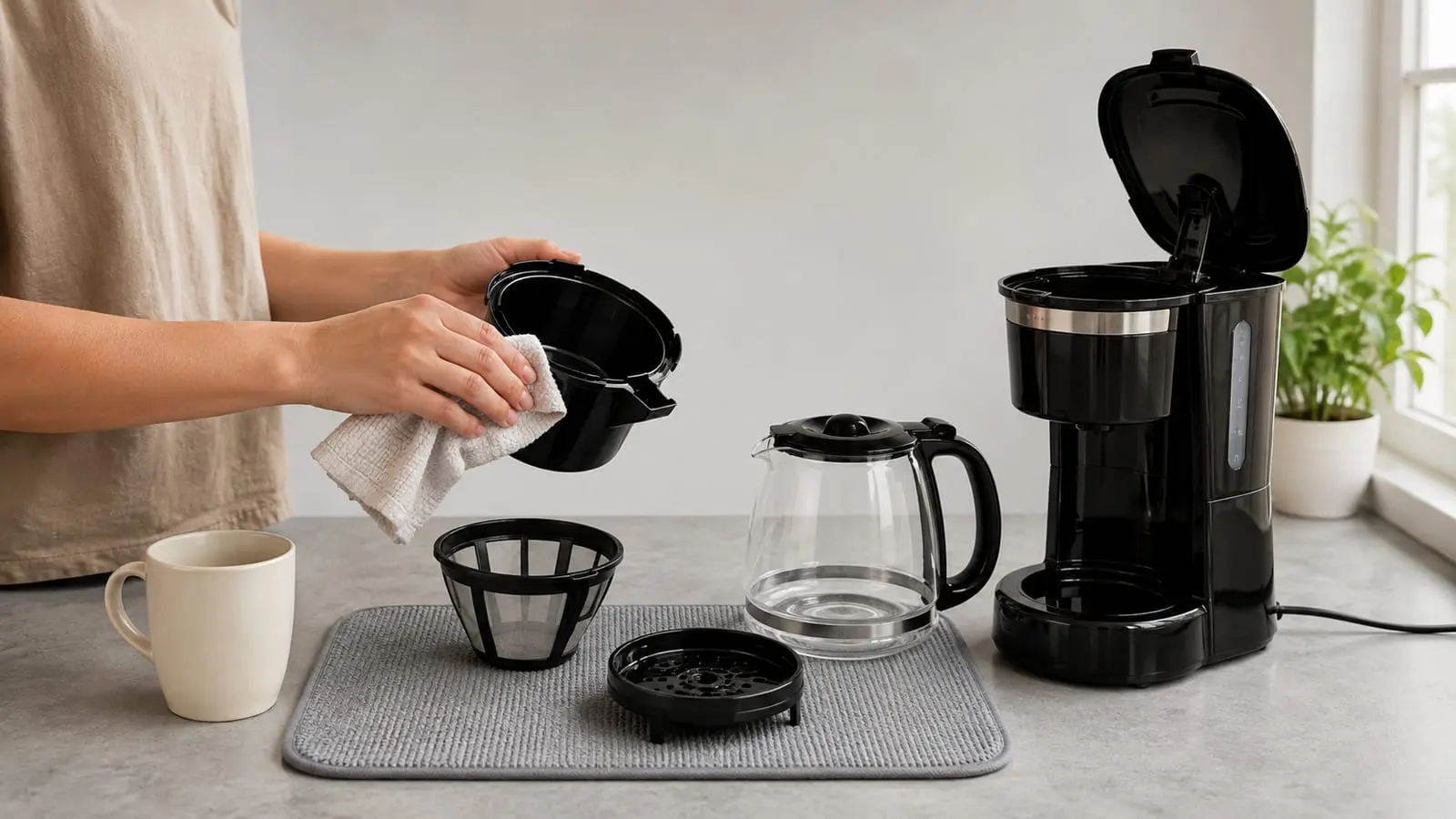
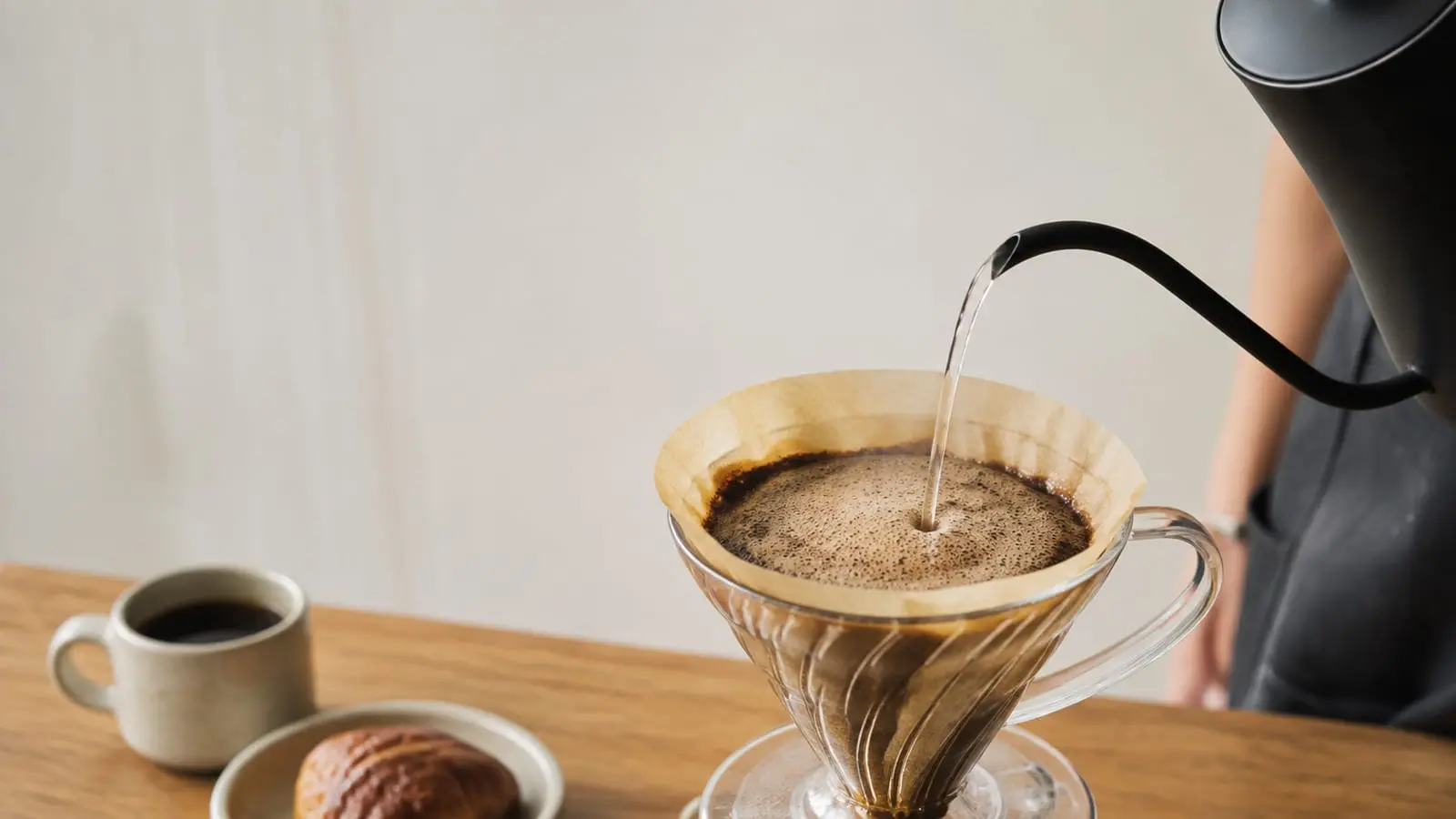
You do not need a fancy setup. A good grinder and a reliable brewing method are enough. I use a burr grinder set to a medium-coarse grind for a French press, or a medium-fine grind for a pour-over. The water temperature should be around 200 degrees Fahrenheit, just off a boil. Too hot and you extract bitter compounds that will fight the liqueur. Too cold and the coffee will be weak and sour. A simple thermometer or a gooseneck kettle with temperature control makes this easy.
One technique I have refined over time is to warm the liqueur slightly before adding it to the coffee. Cold liqueur can shock the hot coffee and dull the flavor. I pour the Grand Marnier into a small shot glass and set it in a bowl of hot water for a minute. Then I add it to the cup and stir gently. This small step makes a noticeable difference in how the orange notes integrate with the coffee. It is the kind of detail that separates a good Grand Marnier coffee from a great one.
Variations to Try at Home
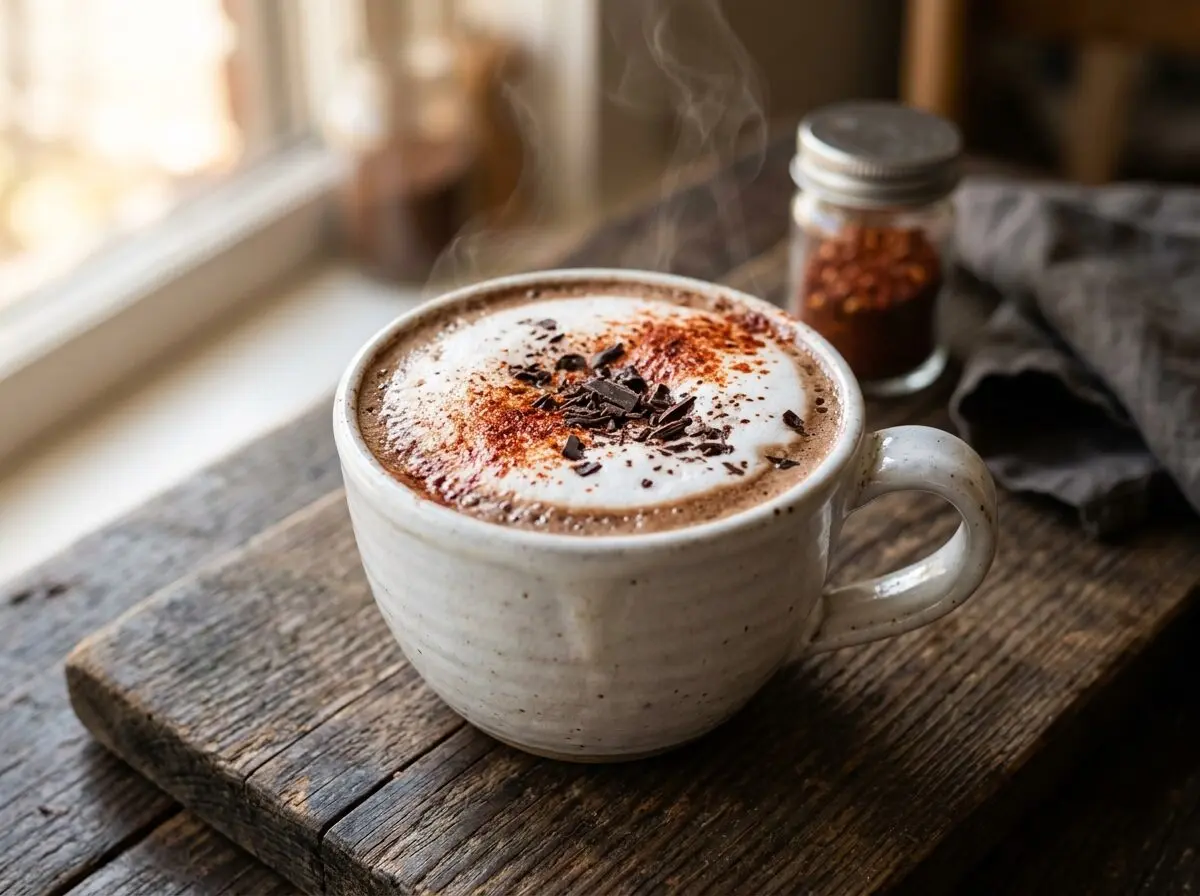
Once you have the base recipe down, you can play with it. I have tried adding a splash of heavy cream on top, which creates a layered effect similar to an Irish coffee. The cream floats on the coffee and the liqueur, and you get a cold, rich sip followed by the warm coffee and orange. Another option is to use an espresso shot instead of brewed coffee. A double espresso with an ounce of Grand Marnier and a dollop of whipped cream is a dessert in a cup. It is strong, sweet, and deeply satisfying.
For a cold version, brew a strong cold brew concentrate, then mix it with Grand Marnier and a little simple syrup over ice. The cold brew has a smoother, less acidic profile that pairs beautifully with the orange liqueur. I have served this at summer gatherings and it disappears fast. Just remember that cold drinks mute sweetness, so you might need a bit more liqueur or syrup than you would in a hot cup.
When and Where to Enjoy Grand Marnier Coffee
This drink is not just for after dinner. I have made Grand Marnier coffee on lazy Sunday mornings, during holiday brunches, and even as a nightcap after a long week. It works as a digestif because the coffee and cognac both aid digestion, and the orange notes refresh the palate. It also works as a conversation starter. People are curious about the combination, and once they taste it, they usually ask for the recipe.
I have also found that the sessioncoffeedenver Grand Marnier coffee method translates well to larger batches. If you are hosting a gathering, brew a pot of strong coffee, warm a bottle of Grand Marnier in a hot water bath, and let guests pour their own. Set out small bowls of sugar, cinnamon sticks, and orange zest so people can customize. It turns a simple drink into an interactive experience. That is the kind of hospitality that keeps people talking.
Common Mistakes and How to Avoid Them
The most common mistake I see is using too much liqueur. People think more booze means more flavor, but it actually throws the balance off and makes the drink taste harsh and syrupy. Stick to the one-ounce rule and adjust from there. Another mistake is using low-quality coffee. If the coffee is stale or poorly roasted, the liqueur will only highlight those flaws. Use fresh beans from a roaster you trust. I have had good results with beans from Session Coffee Denver, whose medium roasts have the body and sweetness that work well with Grand Marnier.
Some people also skip the step of warming the glass or the liqueur. That is a missed opportunity. A cold glass will drop the temperature of your coffee before you even take a sip, and the liqueur will not blend as smoothly. Warm your mug with hot water first, then dry it and pour your coffee. It is a simple habit that elevates the whole experience.
Why This Drink Deserves a Place in Your Routine
Grand Marnier coffee is not a trend. It is a classic that deserves more attention. The combination of coffee and orange liqueur has been around in various forms for decades, but it rarely gets the spotlight. That is a shame, because it is one of the most versatile and satisfying coffee cocktails you can make. Whether you are a home barista or just someone who loves a good cup of coffee, this drink is worth mastering. It teaches you about balance, about how ingredients interact, and about how small details like temperature and proportion can change everything.
I remember the first time I made a Grand Marnier coffee for a friend who was visiting from out of town. He was a coffee purist, black coffee only, no sugar, no milk. He watched me pour the liqueur with a raised eyebrow. But he took a sip and his whole demeanor changed. He asked for the recipe and later told me he had started making it at home. That is the kind of reaction this drink gets. It wins people over because it is not trying to be fancy. It is just trying to be good.
If you want to explore this further, the sessioncoffeedenver Grand Marnier coffee approach is a solid starting point. It focuses on using quality ingredients and respecting the coffee first. From there, you can make the drink your own. Experiment with different roasts, try a splash of vanilla extract, or add a cinnamon stick as a stirrer. The possibilities are wide, but the core principle stays the same: let the coffee and the Grand Marnier speak to each other, and do not get in the way.
Follow Session Coffee Denver on
 Pinterest